Enfield Royal Clinic Oman

 Home
Home  About Enfield Royal Clinic Oman
  Treatments
  Make An Enquiry





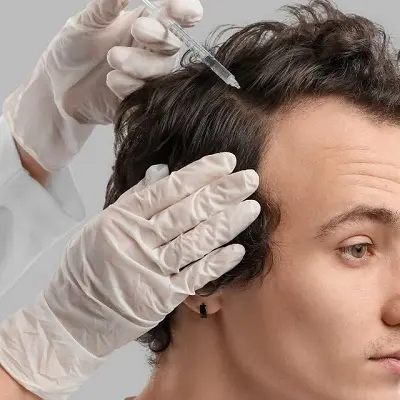
Preparing Your Scalp for Hair Transplant Success
Posted On Nov 19, 2025Restore your hair and confidence with advanced hair transplant solutions. Learn about procedures, benefits, recovery, and expert tips for natural-looking results.
Hair loss is a common concern that affects both men and women, often impacting self-confidence and overall appearance. For those exploring permanent solutions, a Hair Transplant in Oman offers an effective way to restore natural hair growth. However, the success of the procedure depends not only on the skill of the surgeon but also on proper preparation before the transplant. Understanding how to prepare the scalp can enhance the results and ensure a smoother recovery process. This article provides a comprehensive, easy-to-follow guide for preparing your scalp for a hair transplant.
Understanding Hair Transplant Basics
Before diving into scalp preparation, it is helpful to understand the hair transplant process. A hair transplant involves relocating healthy hair follicles from a donor area, usually the back or sides of the scalp, to areas affected by thinning or baldness. Two main techniques are commonly used:
Follicular Unit Extraction (FUE): Individual follicles are harvested and implanted. This method is minimally invasive and leaves tiny, nearly invisible scars.
Follicular Unit Transplantation (FUT): A strip of scalp is removed from the donor area, dissected into individual follicles, and transplanted. This technique allows for a larger number of grafts in a single session.
Regardless of the technique, the health and condition of the scalp play a crucial role in achieving natural and long-lasting results.
Why Scalp Preparation Matters
Preparing the scalp before a hair transplant has several important benefits:
Optimizes Hair Growth: Healthy, nourished scalp tissue promotes better graft survival.
Reduces Complications: Prepping the scalp can reduce risks such as infection, inflammation, or poor healing.
Improves Recovery: A well-prepared scalp can recover faster, with less swelling, redness, or scabbing.
Enhances Overall Results: The final density and appearance of transplanted hair are more natural when the scalp is in good condition.
Steps to Prepare Your Scalp
1. Consult a Specialist
The first step is a thorough consultation with a hair transplant specialist. During this appointment, the patient’s hair loss pattern, scalp condition, and medical history are assessed. The specialist may provide tailored advice on pre-procedure care, including medications, lifestyle adjustments, and hair care routines.
2. Maintain a Healthy Diet
Nutrition plays a significant role in hair health and scalp condition. A diet rich in vitamins, minerals, and proteins can strengthen hair follicles and improve healing. Key nutrients include:
Biotin: Supports hair strength and growth.
Zinc: Helps maintain healthy hair follicles.
Vitamin E: Promotes scalp circulation and reduces oxidative stress.
Protein: Provides essential building blocks for hair growth.
Staying hydrated is equally important, as adequate water intake supports tissue repair and overall scalp health.
3. Avoid Certain Medications and Substances
Some medications and substances can affect blood flow, healing, or hair growth. Patients are typically advised to avoid:
Blood thinners: Such as aspirin or certain anti-inflammatory drugs, which may increase bleeding risk.
Alcohol and smoking: Both can impair circulation and slow the healing process.
Hair growth supplements: Certain products may interfere with the surgical procedure or pre-transplant evaluation.
It is essential to follow the specialist’s instructions carefully to avoid complications.
4. Scalp Hygiene and Hair Care
A clean scalp reduces the risk of infection and promotes optimal graft survival. Recommended practices include:
Gentle washing: Use mild shampoos and avoid harsh chemicals or strong hair treatments.
Avoid scratching or rubbing: This can damage the scalp and irritate hair follicles.
Minimize styling products: Waxes, gels, or sprays may leave residues that affect the procedure.
Maintaining a healthy scalp environment is critical in the days leading up to the transplant.
5. Avoid Stress and Prioritize Sleep
Stress can negatively affect hair growth and overall healing. Adequate sleep and relaxation techniques such as meditation or light exercise help reduce stress hormones, improve circulation, and support tissue repair. A calm mind also contributes to a smoother recovery experience.
6. Follow Pre-Procedure Instructions Carefully
Before the hair transplant, the specialist may provide specific instructions, including:
Washing the scalp with a special antiseptic shampoo.
Avoiding certain foods or beverages.
Arranging transportation if sedation is used during the procedure.
Adhering to these instructions can significantly enhance the safety and success of the transplant.
After the Procedure: Maintaining a Healthy Scalp
Preparing the scalp doesn’t end with the transplant. Proper post-operative care is equally important:
Gentle cleaning: Follow the recommended washing schedule to avoid disturbing grafts.
Avoid sun exposure: Direct sunlight can damage the scalp during the initial healing phase.
Follow medication protocols: Use prescribed antibiotics or anti-inflammatory medications as instructed.
Avoid strenuous activity: Physical exertion can increase swelling and affect graft survival.
By continuing to care for the scalp after surgery, patients can maximize the benefits of their hair transplant and ensure long-term results.
Benefits of a Well-Prepared Scalp
Taking time to prepare the scalp offers multiple advantages:
Faster healing and reduced risk of complications.
Higher survival rate of transplanted hair follicles.
More natural-looking hair growth and improved density.
Enhanced confidence knowing the procedure was set up for success.
Hair Transplant in Oman: Why Preparation is Key
Oman has seen increasing interest in hair transplant procedures due to advances in medical technology and skilled practitioners. Patients seeking a hair transplant in Oman benefit from careful pre-procedure preparation, which helps optimize outcomes, reduce downtime, and ensure a safe experience. Whether addressing male pattern baldness or female hair thinning, proper scalp preparation is the first step toward successful hair restoration.
FAQs About Scalp Preparation for Hair Transplant
1. How long before the procedure should I start preparing my scalp?
It is recommended to begin scalp preparation at least 2-4 weeks prior to the transplant, following dietary, medication, and hygiene guidelines.
2. Can I wash my hair before the transplant?
Yes, washing the hair with a mild shampoo or antiseptic solution is usually advised the morning of the procedure. Avoid heavy styling products.
3. Should I avoid smoking or alcohol before surgery?
Yes. Smoking and alcohol can impair circulation and healing, reducing the success of the transplant.
4. Do I need to take supplements before the procedure?
Only if recommended by a specialist. Some vitamins and minerals may improve hair follicle health, but unnecessary supplements should be avoided.
5. Can stress affect hair transplant results?
Yes. High stress levels can negatively impact healing and hair growth, so stress management is important before and after the procedure.
6. How important is sleep before surgery?
Adequate sleep supports healing, reduces inflammation, and improves overall scalp condition, contributing to better transplant outcomes.
Conclusion
Preparing the scalp is a critical step for anyone considering a hair transplant in Oman. By focusing on nutrition, scalp hygiene, stress management, and following pre-procedure instructions, patients can enhance the survival of transplanted hair follicles and achieve natural, long-lasting results. Proper preparation, combined with professional expertise, ensures that the hair restoration journey is safe, effective, and rewarding. With careful planning, anyone can take confident steps toward a healthier, fuller head of hair.

;)