Enfield Royal Clinic Oman

 Home
Home  About Enfield Royal Clinic Oman
  Treatments
  Make An Enquiry





PRP Hair Treatment Tips for Maximizing Hair Regrowth
Posted On Nov 19, 2025Revitalize your hair with PRP Hair Treatment – a safe, non-surgical therapy using your own platelets to stimulate hair growth and combat thinning. Discover fuller, healthier hair today.
Hair loss is a common concern that affects millions of people worldwide. Whether it’s due to genetics, stress, or lifestyle factors, thinning hair can impact self-confidence and overall well-being. Among the most popular solutions today is PRP Hair Transplant in Muscat, a non-surgical procedure that uses the patient’s own blood to stimulate hair follicles and promote regrowth. While PRP is highly effective, its results can vary depending on how well individuals follow supportive practices before and after treatment. Understanding these tips can help maximize hair regrowth and improve overall scalp health.
Understanding PRP Hair Treatment
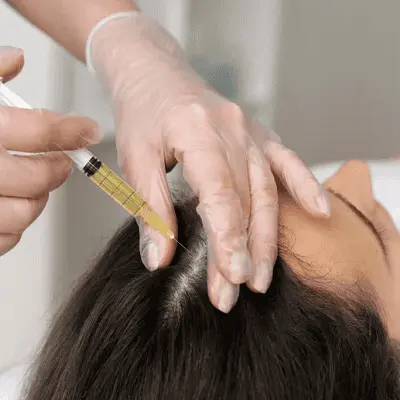
PRP, or Platelet-Rich Plasma, hair treatment is a procedure designed to activate dormant hair follicles and strengthen existing hair. The process begins with a blood sample from the patient, which is then processed in a centrifuge to separate platelet-rich plasma from other blood components. This concentrated plasma contains growth factors that promote tissue repair and stimulate follicle activity.
The PRP is injected into areas of the scalp experiencing thinning or shedding. Over several sessions, these growth factors help improve hair density, thickness, and overall scalp health. However, the effectiveness of PRP can be enhanced with complementary strategies and proper hair care practices.
Why Maximizing Results Matters
While PRP can produce noticeable improvements in hair growth, individual results vary based on factors such as age, genetics, hair loss stage, and overall health. Following specific tips and lifestyle adjustments can:
Accelerate visible hair growth
Improve hair density and thickness
Reduce hair shedding
Support long-term maintenance of new hair
Pre-Treatment Tips for Optimal PRP Results
Before undergoing a PRP hair transplant in Muscat, there are several steps individuals can take to ensure follicles respond well:
1. Maintain a Balanced Diet
Hair follicles require essential nutrients for growth. Consuming a diet rich in vitamins, minerals, and protein can enhance the effectiveness of PRP. Important nutrients include:
Biotin for hair strength
Iron for oxygen transport to follicles
Zinc for tissue repair
Vitamin D for follicle cycling
Omega-3 fatty acids for scalp hydration
2. Stay Hydrated
Proper hydration improves blood circulation, which allows PRP growth factors to reach hair follicles more efficiently.
3. Avoid Blood Thinners
Certain medications and supplements, like aspirin or high doses of fish oil, can reduce platelet function. Patients may be advised to pause these before PRP sessions to ensure optimal plasma concentration.
4. Limit Smoking and Alcohol
Smoking reduces blood flow to the scalp, while excessive alcohol intake can impact nutrient absorption. Both can affect the results of PRP treatments.
5. Manage Stress
High stress levels can lead to hair shedding and interfere with follicle stimulation. Stress management techniques such as yoga, meditation, or regular exercise can improve treatment outcomes.
Post-Treatment Tips for Enhancing Hair Regrowth
After a PRP hair transplant, following the right care regimen is essential to maximize regrowth and maintain scalp health:
1. Gentle Hair Care
Avoid harsh shampoos, heat styling, and chemical treatments for at least a few days following the procedure. Use mild, sulfate-free shampoos and gently pat hair dry rather than rubbing.
2. Scalp Massage
Gentle scalp massages can improve blood flow and help deliver nutrients to hair follicles, complementing the effects of PRP.
3. Consistent Hair Hygiene
Keeping the scalp clean reduces the risk of infections and supports follicle health. Avoid scratching or touching injection sites in the first 24–48 hours after treatment.
4. Maintain a Healthy Diet
Continuing a nutrient-rich diet post-treatment ensures hair follicles receive the building blocks needed for optimal growth.
5. Regular Follow-Up Sessions
PRP usually requires multiple sessions, spaced 4–6 weeks apart initially, followed by periodic maintenance sessions. Attending all recommended appointments ensures sustained follicle stimulation.
6. Avoid Excessive Sun Exposure
Protecting the scalp from direct sunlight reduces irritation and helps maintain a healthy environment for hair growth. Wearing a hat or using a gentle sunscreen for the scalp can be beneficial.
Complementary Strategies to Support PRP Results
Maximizing PRP results may also involve integrating additional hair-supportive practices:
Topical Treatments: Using topical solutions like Minoxidil can complement PRP by prolonging the hair growth phase.
Nutritional Supplements: Supplements like biotin, vitamin D, and omega-3 fatty acids can support follicles if dietary intake is insufficient.
Microneedling: Some individuals combine PRP with microneedling to enhance growth factor absorption and stimulate follicles.
Stress Management: Maintaining low stress levels reduces hormone-related hair shedding.
Who Benefits Most From PRP Hair Treatment
PRP hair transplant is most effective for individuals:
Experiencing early to moderate hair thinning
With active, dormant follicles rather than complete bald areas
Seeking a non-surgical and natural approach to hair restoration
Committed to maintaining healthy hair practices post-treatment
Advanced baldness may still benefit from PRP, but results are generally slower and may require complementary treatments.
Frequently Asked Questions (FAQs)
1. How long does it take to see results from PRP?
Most patients notice improvements in hair density and thickness within 3 to 6 months, with continued improvement over time.
2. Is PRP hair treatment painful?
PRP involves fine injections, causing mild discomfort in most patients. Topical numbing agents are often used to minimize pain.
3. How many PRP sessions are needed?
Typically, 3–6 sessions spaced 4–6 weeks apart are recommended, followed by maintenance sessions every few months.
4. Can lifestyle habits impact PRP results?
Yes. Diet, stress, sleep, and smoking habits can significantly influence the effectiveness of PRP hair regrowth.
5. Are there any side effects of PRP?
PRP is generally safe since it uses the patient’s own blood. Temporary redness, swelling, or mild soreness at injection sites may occur.
6. Can PRP be combined with other treatments?
Yes. PRP can be paired with topical solutions, nutritional support, or microneedling to enhance overall results.
Conclusion
PRP hair transplant in Muscat is a highly effective, non-surgical solution for hair thinning and loss. While the procedure itself stimulates dormant follicles and strengthens existing hair, results can be significantly enhanced by supportive pre- and post-treatment practices. Maintaining a balanced diet, managing stress, practicing gentle hair care, and attending all recommended sessions can maximize hair regrowth and improve long-term hair health.
By combining PRP with healthy lifestyle habits and proper hair care, individuals can enjoy thicker, stronger, and more resilient hair, while supporting overall scalp health and confidence.

;)