Enfield Royal Clinic Oman

 Home
Home  About Enfield Royal Clinic Oman
  Treatments
  Make An Enquiry






Restylane Fillers Recovery: Timeline & Tips
Posted On Nov 27, 2025Enhance your natural beauty with Restylane dermal fillers. Smooth wrinkles, restore volume, and achieve youthful, refreshed skin with safe, non-surgical treatments.
Dermal fillers have become an increasingly popular option for individuals looking to restore facial volume, smooth fine lines, or enhance features naturally. Among these, Restylane Fillers stand out for their safety, versatility, and natural-looking results. While many are familiar with the procedure itself, understanding the recovery process is equally important to achieve the best outcomes and ensure comfort. This article provides a detailed guide on the recovery timeline, tips for smooth healing, and what to expect after receiving Restylane fillers.
What Are Restylane Fillers?
Restylane fillers are composed of hyaluronic acid, a substance naturally found in the skin that helps maintain hydration and volume. They are used for various purposes, including reducing wrinkles, enhancing lips, defining cheekbones, and improving overall facial symmetry. The formulations of Restylane vary depending on the treatment area, allowing for precise customization and natural results.
Since Restylane is biocompatible and non-permanent, it is generally well-tolerated, making it a preferred choice for first-time filler users as well as those with sensitive skin.
Immediate Effects After Treatment
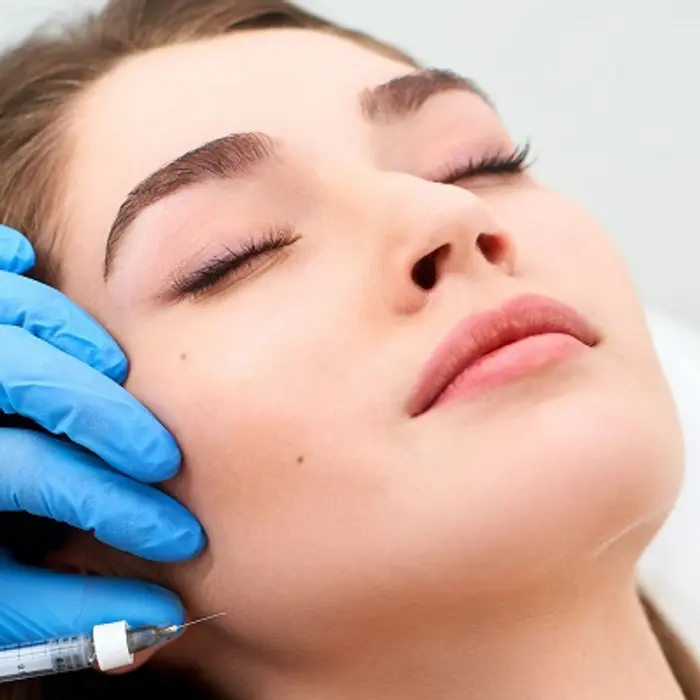
One of the advantages of Restylane fillers is that results are visible immediately. Patients can notice enhanced volume and smoother contours right after the injections. However, the skin may also show mild temporary side effects that are part of the natural healing process. These include:
Redness or warmth at the injection site
Mild swelling or puffiness
Tenderness or slight bruising
These effects are normal and usually resolve within a few days. Understanding this phase helps set realistic expectations and reduces unnecessary worry.
Restylane Fillers Recovery Timeline
Recovery from Restylane fillers is generally quick, but it can vary depending on the treatment area, the amount of filler used, and individual skin responses. Here’s a typical recovery timeline:
Day 1: Immediately After Treatment
The first 24 hours often involve mild swelling, redness, or tenderness. Applying a cold compress can help reduce discomfort and inflammation. It is recommended to avoid strenuous activity, alcohol, and excessive heat during this period.
Days 2-3: Initial Healing
Swelling may peak within the first two days and start to subside afterward. Minor bruising may become more noticeable but typically resolves within a few days. Gentle facial movements are allowed, but pressure on treated areas should be avoided.
Days 4-7: Settling Phase
During this period, the filler begins to integrate with the skin. Swelling, bruising, and tenderness usually diminish significantly. Most patients start seeing the final shape and contour forming, although minor adjustments may still occur as the skin settles.
Weeks 2-4: Final Results
By the end of the first month, most swelling and bruising should have completely resolved, revealing the full results of the treatment. For some areas, especially lips or cheeks, minor touch-ups may be considered to achieve optimal balance.
Tips for a Smooth Recovery
Following best practices during the recovery period ensures the best results and minimizes potential side effects. Here are some essential tips:
1. Avoid Touching or Massaging the Treated Area
While it may be tempting to rub or press on the skin, this can disturb the filler placement and potentially cause uneven results.
2. Use Cold Compresses for Swelling
Cold compresses applied gently for short periods can reduce inflammation and discomfort, especially during the first 24-48 hours.
3. Stay Hydrated and Follow Skincare Guidelines
Drinking plenty of water and using gentle skincare products supports the skin’s healing process. Avoid harsh chemical treatments, scrubs, or exfoliants during the first week.
4. Minimize Sun Exposure and Heat
Direct sunlight, tanning beds, saunas, and hot showers can exacerbate swelling or redness. Applying sunscreen and keeping treated areas cool helps maintain results.
5. Avoid Alcohol and Blood Thinners
Alcohol and certain medications or supplements can increase the risk of bruising. It is advisable to limit these for a few days before and after treatment.
6. Follow Up as Needed
A follow-up appointment may be recommended to assess results and determine if minor adjustments are necessary. Restylane fillers are temporary and can be modified or dissolved if needed.
Potential Side Effects During Recovery
While Restylane fillers are generally safe, it’s important to recognize potential side effects and when to seek professional advice. Common side effects include:
Redness or mild irritation
Swelling or puffiness
Bruising
Tenderness or slight discomfort
Serious complications are rare but can include prolonged swelling, lumps, or asymmetry. Prompt evaluation is essential if any unusual reactions occur.
Benefits of Understanding the Recovery Process
Being informed about the Restylane fillers recovery timeline helps patients:
Set realistic expectations for immediate and long-term results
Reduce anxiety about temporary side effects
Optimize aftercare for smoother healing and better outcomes
Identify and address any potential complications early
FAQs About Restylane Fillers Recovery
1. How long does swelling last after Restylane fillers?
Swelling typically peaks within the first 24-48 hours and usually subsides within a week. Minor residual swelling may persist for up to two weeks in some cases.
2. Can I wear makeup after getting Restylane fillers?
Makeup can generally be applied 24 hours after treatment, but it’s important to be gentle and avoid rubbing the treated area.
3. Is downtime required after Restylane fillers?
Most patients experience minimal downtime and can resume normal activities immediately, although avoiding strenuous activity and heat for the first 24 hours is recommended.
4. When will I see the final results?
Final results typically become visible within 2-4 weeks after treatment, once swelling and bruising have resolved and the filler has fully integrated with the skin.
5. Can I speed up recovery?
Following post-treatment care instructions—staying hydrated, avoiding heat and alcohol, using cold compresses—can help speed up the healing process.
6. What should I do if I notice lumps or unevenness?
Minor lumps may resolve naturally as the filler settles. If they persist or cause discomfort, professional evaluation is advised to determine if adjustments or dissolving treatments are necessary.
Conclusion
Restylane fillers provide a safe, effective, and versatile option for facial enhancement, with minimal downtime and predictable recovery. Understanding the recovery timeline and following practical tips can ensure the best possible results while minimizing discomfort. Most side effects are mild and temporary, and the majority of patients enjoy natural-looking, long-lasting outcomes. With careful preparation, proper aftercare, and realistic expectations, Restylane fillers can help individuals achieve refreshed and rejuvenated facial features safely and confidently.



;)