Enfield Royal Clinic Oman

 Home
Home  About Enfield Royal Clinic Oman
  Treatments
  Make An Enquiry





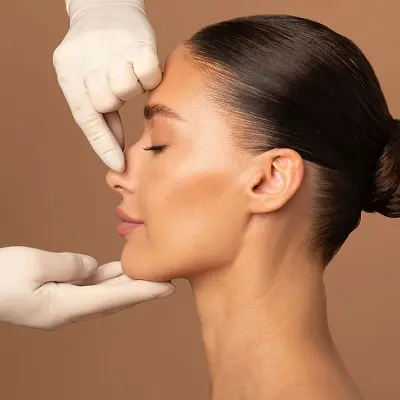
Rhinoplasty for a Bump on the Nose: Surgical Solutions
Posted On Oct 20, 2025Discover expert rhinoplasty surgery for a natural, balanced look. Learn procedures, recovery, and benefits to enhance your facial harmony safely.
A prominent bump on the nose, often referred to as a dorsal hump, is a common aesthetic concern. Whether it’s a genetic feature or the result of injury, a nasal bump can affect facial harmony and self-confidence. Rhinoplasty offers an effective surgical solution to smooth the nasal bridge, refine the nose’s profile, and enhance overall facial balance. For individuals considering Rhinoplasty in Oman, understanding the procedure, options, and recovery process is essential for making an informed decision.
Understanding the Nasal Bump
A nasal bump can vary in size, shape, and composition. Some bumps are made primarily of bone, others of cartilage, or a combination of both. Causes may include:
Genetics: Many people inherit a dorsal hump as a natural feature.
Trauma or Injury: Previous accidents or fractures can lead to irregularities along the nasal bridge.
Previous Surgery: Sometimes, prior procedures can leave a residual bump or irregular contour.
Regardless of the cause, a bump on the nose can create the perception of a larger or less proportionate nose, affecting overall facial aesthetics.
What Is Rhinoplasty for a Nasal Bump?
Rhinoplasty aimed at correcting a nasal bump is a specialized procedure focused on reshaping the bridge of the nose. The surgery can smooth out the hump, refine the nasal contour, and ensure the result is in harmony with other facial features.
The procedure can be performed as:
Open Rhinoplasty: Involves a small incision across the columella (the tissue between the nostrils) for better visibility and precision, ideal for more complex corrections.
Closed Rhinoplasty: All incisions are made inside the nostrils, leaving no external scar, suitable for minor adjustments.
The surgeon removes or reshapes the excess bone and cartilage, and in some cases, grafts may be used to ensure structural stability and a smooth profile.
The Surgical Procedure
1. Consultation and Planning
Before surgery, a thorough evaluation is conducted to determine the size and composition of the nasal bump, the overall nasal shape, and the patient’s facial proportions. Digital imaging may be used to visualize potential outcomes and discuss expectations.
2. Anesthesia
Rhinoplasty for a nasal bump is usually performed under general anesthesia or local anesthesia with sedation, depending on the complexity of the procedure and patient comfort.
3. Reshaping the Nose
The surgeon carefully removes or reshapes the bone and cartilage that form the bump. In some cases, the nasal bridge may be narrowed or augmented slightly to create a smoother, balanced appearance. Precision is key to achieving natural results while maintaining proper nasal function.
4. Stabilization and Closure
After reshaping, the incisions are closed with fine sutures. A splint or tape is applied externally to support the nose and maintain its new shape during the initial healing phase. Internal splints may also be used to stabilize the nasal passages and reduce swelling.
Recovery After Bump Removal Rhinoplasty
Recovery timelines can vary depending on the complexity of the procedure and individual healing rates. Typical stages include:
First Week:
Swelling and bruising around the eyes and nose are most pronounced during the first few days.
Pain or discomfort is usually mild and can be managed with prescribed medications.
The nasal splint is generally worn for about one week to support healing.
Weeks 2 to 3:
Bruising begins to fade, and swelling gradually decreases.
Many patients return to work or school after about 10–14 days.
Breathing through the nose may improve as internal swelling subsides.
Weeks 4 to 6:
Most external swelling resolves, although subtle puffiness may persist at the nasal tip.
Light physical activity can be resumed, but high-impact exercises or contact sports should still be avoided.
Months 3 to 12:
Final refinements in shape become more apparent.
Swelling, especially at the tip, continues to subside gradually.
The nose achieves its fully refined contour, with long-lasting results visible by one year.
Benefits of Correcting a Nasal Bump
Rhinoplasty for a dorsal hump offers several benefits:
Improved Facial Harmony: Smoothing the nasal bridge enhances overall facial proportions.
Boosted Confidence: Many patients feel more confident and satisfied with their appearance.
Functional Improvement: Structural adjustments can improve airflow and breathing if needed.
Long-Lasting Results: With proper care, results are durable and natural-looking.
Considerations Before Surgery
Before opting for rhinoplasty in Oman, several factors should be considered:
Health Status: Candidates should be in good overall health to minimize surgical risks.
Realistic Expectations: Understanding what rhinoplasty can achieve ensures satisfaction with the outcome.
Choosing the Right Surgeon: Experience, skill, and a portfolio of successful rhinoplasty procedures are crucial.
Recovery Commitment: Patients should be prepared to follow post-operative instructions carefully to ensure optimal healing.
FAQs About Rhinoplasty for a Nasal Bump
1. How long does the surgery take?
Rhinoplasty to remove a nasal bump typically takes 1.5 to 3 hours, depending on the complexity of the procedure.
2. Will there be visible scars?
Closed rhinoplasty leaves no external scars, while open rhinoplasty has a small incision on the columella that usually heals discreetly.
3. Is the procedure painful?
Discomfort is generally mild and manageable with prescribed medication. Most patients report pressure or tightness rather than sharp pain.
4. When can I resume normal activities?
Most patients return to work or school within two weeks. Strenuous activities should be avoided for 4–6 weeks.
5. Can rhinoplasty for a bump improve breathing?
Yes. Structural corrections to the nasal bridge and internal cartilage can enhance airflow and nasal function.
6. Are the results permanent?
With proper care and protection, the results of bump removal rhinoplasty are long-lasting. Minor changes may occur over time due to aging.
Choosing the Best Rhinoplasty in Oman
Selecting the right surgeon and facility is critical for safe and satisfactory outcomes. For the best results:
Look for surgeons with extensive experience in nasal surgery and aesthetic refinement.
Ensure a thorough consultation is provided, including discussion of goals and expected results.
Check for comprehensive follow-up care to support recovery and address any concerns.
Conclusion
Rhinoplasty for a bump on the nose is a safe and effective way to refine the nasal profile, restore facial balance, and boost confidence. Understanding the surgical process, recovery timeline, and expected results is essential for anyone considering rhinoplasty in Oman.
By consulting an experienced surgeon, adhering to post-operative instructions, and maintaining realistic expectations, patients can achieve a natural, harmonious outcome that enhances both appearance and nasal function. Whether addressing a genetic feature, post-injury irregularity, or a previous surgical result, rhinoplasty provides a personalized solution for a smoother, more aesthetically pleasing nasal contour.


;)