Enfield Royal Clinic Oman

 Home
Home  About Enfield Royal Clinic Oman
  Treatments
  Make An Enquiry





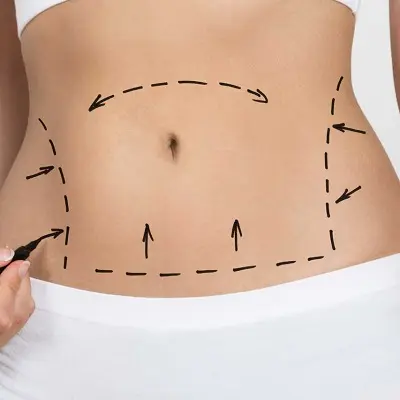
Tummy Tuck After Weight Loss: What to Know
Posted On Nov 14, 2025Discover the benefits of a tummy tuck (abdominoplasty) to achieve a flatter, firmer abdomen. Learn about the procedure, recovery, and results for a confident new you.
Achieving significant weight loss is a remarkable milestone, bringing countless health benefits and increased confidence. However, for many, the journey doesn’t end there. Loose, sagging skin around the abdomen can remain, making even the most toned bodies feel less defined. A Tummy Tuck, also known as abdominoplasty, is a surgical solution that helps restore a smoother, firmer abdominal contour after weight loss. Understanding what this procedure involves, the recovery process, and its benefits can help individuals make informed decisions.
What Is a Tummy Tuck?
A tummy tuck is a cosmetic surgical procedure designed to remove excess skin and fat from the abdominal area while tightening weakened or separated abdominal muscles. Unlike weight loss methods, which reduce fat, a tummy tuck addresses the changes in skin elasticity and muscle structure that often follow significant weight loss. This procedure is particularly beneficial for people who have struggled with obesity or undergone bariatric surgery, leaving behind loose skin that cannot be corrected with diet or exercise alone.
Who Is a Good Candidate?
Ideal candidates for a tummy tuck after weight loss are individuals who have achieved a stable weight and are in good overall health. Candidates should have realistic expectations, understanding that the procedure improves body contour but does not replace healthy lifestyle habits. Some key considerations include:
Stable Weight: Maintaining a steady weight for at least six months ensures optimal results and reduces the risk of complications.
Excess Skin: Individuals with sagging or loose abdominal skin, often described as a “flap,” can benefit significantly.
Muscle Laxity: Those with weakened or separated abdominal muscles may see improved core strength and posture post-surgery.
Non-Smokers: Smoking can impair healing and increase complication risks, so quitting is recommended prior to surgery.
Types of Tummy Tuck Procedures
There are different tummy tuck techniques, each tailored to the patient’s needs. Understanding these options can help individuals choose the best approach for their body.
Full Tummy Tuck
A full tummy tuck addresses the entire abdominal area. It involves a horizontal incision across the lower abdomen, allowing the surgeon to remove excess skin, tighten underlying muscles, and reposition the navel if necessary. This approach is ideal for individuals with widespread skin laxity.
Mini Tummy Tuck
The mini tummy tuck focuses on the lower abdominal region below the belly button. It involves a smaller incision and is less invasive than a full tummy tuck. This option is suitable for those with mild skin excess and minimal muscle laxity.
Extended Tummy Tuck
For individuals with significant weight loss, especially after bariatric surgery, an extended tummy tuck may be recommended. This procedure addresses excess skin on the abdomen, flanks, and sometimes the lower back, offering a more comprehensive contouring solution.
Preparing for Surgery
Proper preparation is essential for a smooth surgical experience and optimal results. Patients should:
Follow a Healthy Diet: Balanced nutrition supports healing and reduces the risk of complications.
Maintain Hydration: Staying hydrated improves skin elasticity and overall recovery.
Arrange Support at Home: Post-operative care may require assistance for daily tasks in the first few days.
Avoid Certain Medications: Blood-thinning medications or supplements may need to be paused, as advised by the surgeon.
Pre-surgery consultations will also include a thorough medical evaluation to ensure safety and discuss realistic expectations.
Recovery and Aftercare
Recovery from a tummy tuck varies depending on the procedure type and individual healing factors. Typically, the initial recovery period lasts two to six weeks. During this time:
Rest and Limited Activity: Patients are encouraged to avoid strenuous activity and heavy lifting. Short, gentle walks promote circulation and prevent blood clots.
Wearing Compression Garments: These help reduce swelling, support healing tissues, and improve contour.
Managing Discomfort: Pain, swelling, and bruising are normal. Medications may be prescribed to manage discomfort.
Follow-Up Appointments: Regular check-ins ensure proper healing and allow timely management of any issues.
It’s important to note that while initial results are visible after a few weeks, the final contour may take several months to fully develop as swelling subsides and tissues settle.
Benefits of a Tummy Tuck After Weight Loss
A tummy tuck can offer both physical and psychological benefits for individuals who have experienced significant weight loss:
Improved Abdominal Contour: The removal of excess skin and tightening of muscles creates a flatter, more toned appearance.
Enhanced Comfort: Excess skin can cause chafing, irritation, and hygiene challenges. Removing it improves daily comfort.
Better Fit for Clothing: A smoother abdomen allows for better-fitting clothes, enhancing confidence in appearance.
Boosted Self-Esteem: The procedure can improve body image and self-confidence, complementing the hard work of weight loss.
While a tummy tuck is not a weight-loss procedure, its ability to transform physical appearance after major weight reduction makes it a valuable option for many.
Risks and Considerations
Like any surgery, a tummy tuck carries potential risks. Being informed helps individuals weigh the benefits against possible complications:
Scarring: Incisions will leave scars, which typically fade over time but remain permanent.
Infection: Proper wound care and following medical instructions minimize this risk.
Seroma or Fluid Accumulation: Sometimes fluid collects under the skin, which may require drainage.
Changes in Sensation: Numbness or tingling in the abdominal area can occur but usually improves over time.
Need for Revision Surgery: In some cases, minor adjustments may be needed to achieve desired results.
Understanding these risks, alongside thorough discussions with the surgeon, helps manage expectations and ensure safety.
FAQs About Tummy Tuck After Weight Loss
1. How long after weight loss should I wait before getting a tummy tuck?
It is generally recommended to wait at least six months to a year after reaching a stable weight to ensure the best results.
2. Will a tummy tuck help me lose more weight?
No, a tummy tuck is not a weight-loss procedure. It removes excess skin and tightens muscles but does not significantly reduce body fat.
3. How noticeable will the scars be?
Scars vary depending on the procedure and individual healing, but they are usually placed low on the abdomen and fade over time. Proper scar care can improve appearance.
4. Can I have children after a tummy tuck?
Pregnancy after a tummy tuck can affect results by stretching abdominal muscles and skin. It’s often recommended to wait until family planning is complete.
5. How long do results last?
Results are long-lasting with a stable weight and healthy lifestyle, though natural aging and weight fluctuations can affect outcomes.
6. What is the difference between a tummy tuck and liposuction?
Liposuction removes fat only, while a tummy tuck removes excess skin and tightens abdominal muscles. Many patients combine both procedures for optimal contouring.
7. Is a tummy tuck painful?
Some discomfort is expected, but it is manageable with prescribed medications. Most patients describe pain as moderate and temporary.
Conclusion
A tummy tuck after weight loss can be a life-changing procedure, restoring confidence and improving body contour for those who have achieved significant weight reduction. Understanding candidacy, surgical options, recovery expectations, and potential risks ensures informed decision-making. While it is a significant commitment, the physical and psychological benefits make it a worthwhile consideration for many individuals looking to complete their weight loss journey and embrace a renewed sense of self.





;)