Enfield Royal Clinic Oman

 Home
Home  About Enfield Royal Clinic Oman
  Treatments
  Make An Enquiry





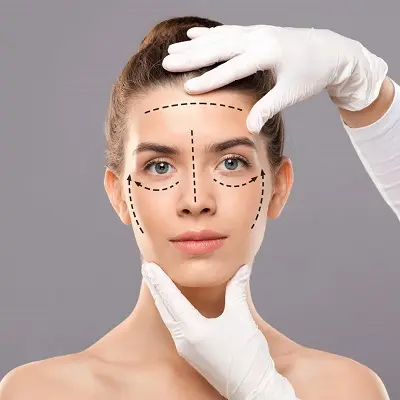
Understanding Facelift Surgery Techniques
Posted On Nov 10, 2025Discover the benefits of facelift surgery to restore a youthful, natural appearance. Learn about procedures, recovery, and expert tips for achieving a refreshed look.
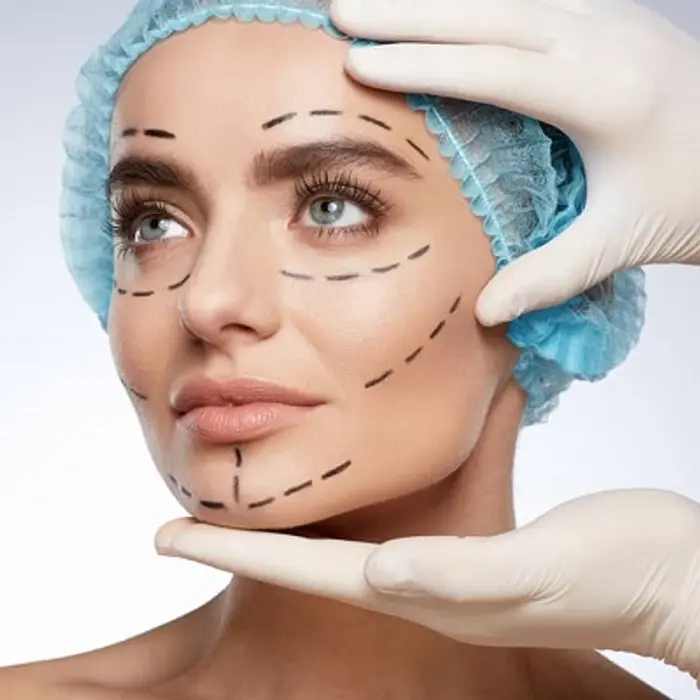
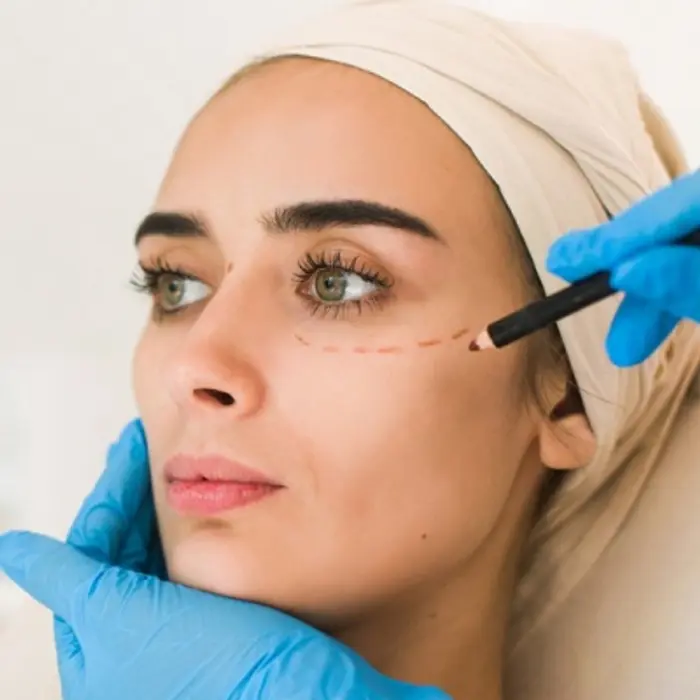
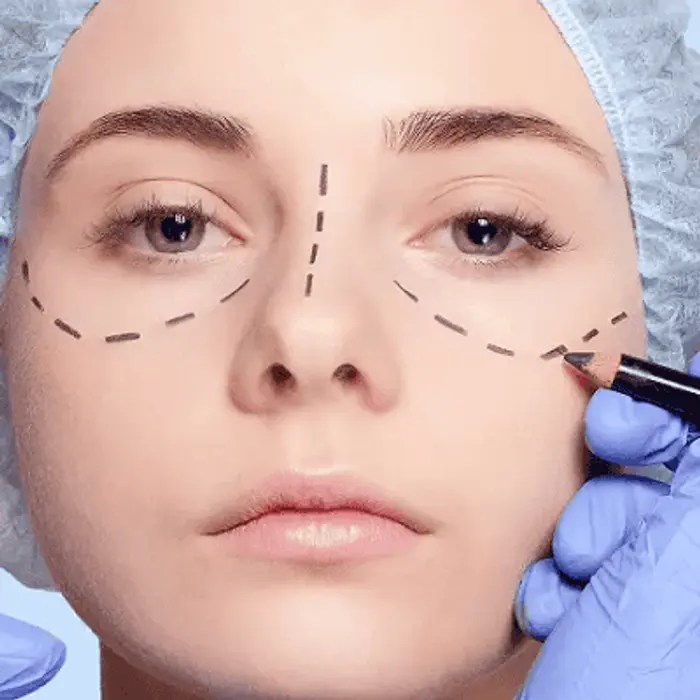
Facelift surgery is one of the most effective ways to address facial aging, including sagging skin, deep wrinkles, and loss of jawline definition. For those considering Facelift Surgery in Muscat, understanding the different surgical techniques can help in making an informed decision and achieving optimal results. With advancements in cosmetic surgery, there are multiple approaches tailored to individual needs, ensuring natural-looking and long-lasting outcomes.
What Is Facelift Surgery?
Facelift surgery, also called rhytidectomy, is a cosmetic procedure designed to lift and tighten sagging facial tissues. It targets areas such as the cheeks, jawline, and neck, creating a smoother and more youthful appearance. Unlike non-surgical treatments, facelift surgery addresses both skin and underlying structures, providing significant and long-lasting improvements.
The procedure typically involves:
Removing excess skin
Tightening underlying muscles and connective tissues
Repositioning facial fat to restore volume
Smoothing out deep lines and wrinkles
By restoring facial balance and contour, facelift surgery enhances overall appearance and boosts self-confidence.
Types of Facelift Surgery Techniques
Facelift surgery has evolved significantly, offering techniques tailored to the degree of aging, skin quality, and patient goals. The main techniques include:
1. Traditional Full Facelift
A full facelift addresses the mid and lower face as well as the neck. This technique is ideal for patients with moderate to severe sagging and deep wrinkles. The procedure involves lifting both skin and underlying muscles, removing excess tissue, and repositioning fat to restore youthful contours.
Benefits of a full facelift:
Comprehensive facial rejuvenation
Long-lasting results
Addresses deep folds, sagging, and loss of jawline definition
2. Mini Facelift
The mini facelift is a less invasive option designed for patients with mild to moderate signs of aging. It uses smaller incisions and targets the lower face and jawline, providing subtle lifting and contouring without extensive recovery time.
Benefits of a mini facelift:
Reduced surgical time and downtime
Suitable for younger patients or those with early signs of aging
Natural-looking results with minimal scarring
3. SMAS Facelift
The SMAS (Superficial Musculoaponeurotic System) facelift focuses on tightening the deeper layer of facial muscles beneath the skin. This technique provides more durable results compared to skin-only lifts and restores structural support to the face.
Benefits of a SMAS facelift:
Longer-lasting results than skin-only techniques
Enhanced contouring and natural appearance
Reduces tension on the skin for smoother healing
4. Neck Lift or Lower Facelift
For patients with sagging neck skin or jowls, a lower facelift or neck lift can be performed alone or in combination with a full facelift. This technique addresses loose neck muscles, excess skin, and fat deposits, resulting in a firmer and more defined neck and jawline.
Benefits of a neck lift:
Corrects turkey neck or sagging jowls
Enhances jawline definition
Can be combined with facial procedures for comprehensive results
5. Thread Lift or Non-Surgical Alternatives
While not as long-lasting as surgical facelifts, thread lifts provide temporary lifting using absorbable threads. These procedures are suitable for patients seeking minor improvements with minimal downtime.
Benefits of thread lifts:
Less invasive than surgery
Quick recovery
Can complement other cosmetic treatments
Recovery and Aftercare
Recovery varies depending on the technique used, but common steps include:
First week: Swelling, bruising, and mild discomfort are expected. Patients should rest and avoid strenuous activity.
Weeks 2–4: Swelling and bruising subside, and most patients can resume normal activities.
Months 2–6: Final results emerge as tissues settle and scars fade.
Post-operative care is crucial for optimal outcomes. Patients are advised to follow wound care instructions, avoid direct sunlight, and attend follow-up appointments.
Factors to Consider When Choosing a Facelift Technique
Selecting the right facelift technique depends on several factors:
Extent of aging: Deep wrinkles and severe sagging may require a full or SMAS facelift, while mild changes may be addressed with a mini facelift.
Skin elasticity: Patients with good skin quality may benefit from less invasive techniques.
Desired recovery time: Mini facelifts and non-surgical options offer shorter downtime.
Overall health: Surgical candidates should be in good general health to ensure safe anesthesia and healing.
A thorough consultation helps determine the most suitable technique for individual goals and facial anatomy.
FAQs About Facelift Surgery
1. How long do facelift results last?
Results typically last 7 to 10 years, depending on factors such as age, skin quality, and lifestyle.
2. Is facelift surgery painful?
Pain is usually manageable with prescribed medications. Mild swelling and discomfort are common during initial recovery.
3. Are there visible scars?
Incisions are strategically placed around the ears and hairline, minimizing visibility. Scars usually fade over time.
4. Can facelift surgery be combined with other procedures?
Yes, it can be combined with eyelid surgery, brow lifts, or skin resurfacing for comprehensive facial rejuvenation.
5. What is the recovery period?
Most patients return to daily activities within 2–4 weeks, with final results appearing over several months.
6. Who is an ideal candidate for facelift surgery?
Adults with sagging skin, loss of jawline definition, and realistic expectations are ideal candidates. Overall good health is essential for surgery.
Conclusion
Facelift surgery in Muscat offers a range of techniques designed to address various signs of aging. From full facelifts to mini lifts, SMAS procedures, and neck lifts, each approach provides unique benefits tailored to individual needs. Understanding the available techniques, recovery process, and expected outcomes is crucial for making an informed decision. By selecting the right procedure and following post-operative care instructions, patients can achieve natural-looking, long-lasting facial rejuvenation and renewed confidence.


;)