Enfield Royal Clinic Oman

 Home
Home  About Enfield Royal Clinic Oman
  Treatments
  Make An Enquiry





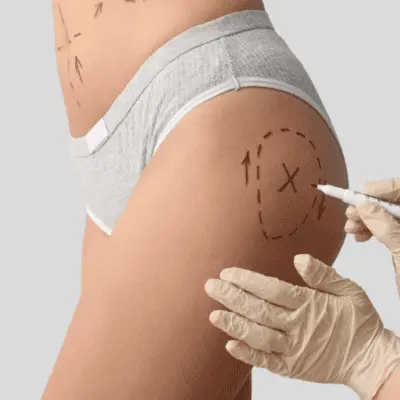
Understanding Fat Survival in Buttock Augmentation in Muscat
Posted On Nov 1, 2025Enhance body contour and achieve fuller, shapelier curves with buttock augmentation. Learn about procedure options, recovery, risks, and results.
In recent years, Buttock Augmentation in Muscat has become increasingly popular among individuals seeking a fuller, more contoured, and naturally enhanced body shape. One of the most common methods used in buttock enhancement is fat transfer, often referred to as a Brazilian Butt Lift (BBL). This method involves taking fat from one part of the body and transferring it to the buttocks to create a rounder and more balanced appearance.
However, many people are curious about one key question: How much of the transferred fat actually survives long-term? Understanding fat survival is essential for setting realistic expectations and achieving satisfying results. This guide explains how fat transfer works, what influences fat survival, and how patients can support long-lasting outcomes.
What Is Buttock Augmentation?
Buttock augmentation is a cosmetic procedure designed to enhance the size, shape, and fullness of the buttocks. It can be performed using two primary methods:
Fat Transfer (Brazilian Butt Lift): Uses your own body fat for natural-looking results.
Buttock Implants: Uses silicone implants placed inside the buttock muscle for added volume.
In Muscat, many people prefer fat transfer because it allows body contouring in multiple areas while enhancing the buttocks with natural results.
How Fat Transfer Works in Buttock Augmentation
Fat transfer involves a multi-step process:
Fat Harvesting: Fat is gently removed from areas such as the abdomen, thighs, flanks, or lower back through liposuction.
Fat Purification: The collected fat is processed to remove excess fluids and impurities.
Fat Injection: The purified fat is carefully injected into specific layers of the buttock to improve shape, volume, and contour.
This procedure aims to enhance curves while also providing a slimmer, more defined waist or other contouring effects depending on where fat is removed.
What Is Fat Survival and Why Is It Important?
Not all the fat transferred to the buttocks will survive. The fat needs to establish a blood supply in its new location to remain alive. Fat cells that do not receive adequate oxygen or nutrient supply are reabsorbed by the body over time.
Typical Fat Survival Range:
On average, around 60–80% of the transferred fat may survive long-term, depending on several factors.
This means the final results are often evaluated several months after the procedure—once swelling reduces and the body stabilizes.
Factors That Influence Fat Survival
Several things can affect how well the fat cells survive after buttock augmentation.
1. Patient’s Body Composition
Individuals with healthier fat tissues and adequate fat stores often experience better survival rates. Slim patients may require careful planning or a hybrid method if fat volume is low.
2. Injection Technique
Fat must be placed in the correct tissue layers. Proper placement avoids complications and ensures the fat has access to blood supply.
3. Aftercare and Posture
Post-procedure behavior is one of the most important factors. Sitting or lying directly on the buttocks too soon can compress fat cells and reduce survival.
4. Lifestyle and Diet
A nutritious diet, hydration, and avoiding smoking can significantly improve healing and fat cell health.
5. Overall Health
Good circulation and healthy tissue promote better fat integration and long-term stability.
How Long Does It Take to See Final Results?
Immediately after the procedure, the buttocks may look fuller because swelling and fluid are still present. Over the next several weeks:
Some swelling will decrease.
Some transferred fat may be naturally absorbed.
Remaining fat stabilizes and begins to grow its own blood supply.
Final results are usually visible after 3–6 months.
Tips to Support Fat Survival After Buttock Augmentation
Patients play a major role in their long-term results. Good aftercare can significantly increase fat retention.
Best Practices Include:
Avoid sitting directly on the buttocks for at least 2–3 weeks (use a special pillow if needed).
Sleep on your stomach or side rather than your back.
Wear compression garments as recommended.
Avoid intense physical activities until cleared.
Eat foods rich in healthy fats (avocado, nuts, salmon).
Stay hydrated to support tissue healing.
Avoid smoking and excessive alcohol, which reduce blood flow.
Consistency in aftercare enhances fat integration and long-lasting results.
Is Buttock Augmentation Safe?
When performed with proper medical protocols and by a trained professional, buttock augmentation with fat transfer is considered generally safe. However, like all procedures, it carries some risks such as swelling, temporary soreness, or uneven fat absorption. Understanding the process and following aftercare guidelines helps minimize complications.
Frequently Asked Questions (FAQs)
1. How much fat is needed for a successful buttock augmentation?
This depends on body type and desired results. Individuals with more body fat typically have more donor fat to work with, making it easier to add volume.
2. Can slim individuals still undergo fat transfer buttock augmentation?
Yes, but results may be more subtle. Some slim individuals benefit from a hybrid approach combining implants and fat transfer, or non-surgical filler options.
3. How soon can I sit after the procedure?
Patients are usually advised to avoid sitting directly on the buttocks for at least 2–3 weeks. A special support pillow may be recommended later.
4. Are results permanent?
The fat that successfully survives after the healing phase can remain permanently. However, results may change with major weight fluctuations.
5. Is exercise allowed after buttock augmentation?
Light walking is generally encouraged, but strenuous exercise should be avoided until cleared. Gentle glute-focused exercises can help shape the area later.
6. Will the buttocks feel natural after the procedure?
Yes, fat-transfer results typically feel soft and natural since the enhancement uses the body’s own tissue.
Final Thoughts
Buttock Augmentation in Muscat offers an effective way to enhance curves, balance body proportions, and boost confidence. Understanding fat survival is essential for setting realistic expectations and achieving long-lasting results. With proper technique and careful aftercare, patients can enjoy fuller, more sculpted buttocks that look natural and complement their body shape.
;)