Enfield Royal Clinic Oman

 Home
Home  About Enfield Royal Clinic Oman
  Treatments
  Make An Enquiry





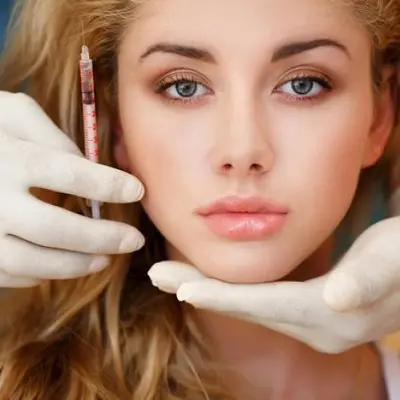
What Are Botox Injections and How Do They Work?
Posted On Oct 18, 2025Get smoother, younger-looking skin with Botox injections. Safe, effective, and FDA-approved treatment to reduce wrinkles and fine lines for a refreshed appearance.
In the world of modern cosmetic and medical treatments, Botox Injections have become one of the most recognized and widely used procedures. Known for their ability to smooth wrinkles and refresh facial appearance, Botox treatments are no longer just a luxury reserved for celebrities—they’ve become a trusted option for people of various ages who want to look and feel their best. But what exactly are Botox injections, and how do they work to deliver those remarkable results?
This article explains everything you need to know about Botox, how it functions, its uses, safety, and what to expect before and after the treatment.
Understanding Botox Injections
Botox is a brand name for a purified form of botulinum toxin type A, a naturally occurring protein produced by the bacterium Clostridium botulinum. While this may sound alarming at first, in controlled, tiny doses, this toxin is safe and has been used medically for decades.
Botox works by temporarily blocking nerve signals to specific muscles. When these muscles are unable to contract, wrinkles caused by facial expressions—like frowning or squinting—soften and smooth out. The result is a refreshed and youthful appearance without surgery or significant downtime.
Interestingly, Botox is not just for cosmetic enhancement. It has a range of medical applications, including the treatment of migraines, muscle spasms, and even excessive sweating (hyperhidrosis).
How Botox Works: The Science Behind It
To understand how Botox achieves its results, it helps to look at the science behind the process. Normally, nerves release a chemical messenger called acetylcholine at the junction where nerve endings meet muscle cells. This chemical triggers muscle contraction.
When Botox is injected into a targeted area, it blocks the release of acetylcholine, preventing muscle contractions. As a result, the muscles remain relaxed. This relaxation smooths out the overlying skin, reducing the appearance of wrinkles and fine lines.
The effects are not permanent—typically lasting between three to six months—after which muscle activity gradually returns, and wrinkles may reappear. However, with repeated treatments, results often last longer as the muscles become trained to remain more relaxed.
Common Cosmetic Uses of Botox
Botox injections are primarily known for their cosmetic benefits. Some of the most popular treatment areas include:
1. Forehead Lines
Frequent facial expressions such as raising the eyebrows can lead to horizontal forehead lines. Botox helps relax these muscles, smoothing out the lines for a more relaxed appearance.
2. Frown Lines (Glabellar Lines)
Often called “11 lines,” these appear between the eyebrows due to repeated frowning or concentration. Botox effectively softens these creases, creating a calmer, more approachable look.
3. Crow’s Feet
These fine lines appear around the outer corners of the eyes, often from years of smiling or squinting. Botox can minimize their appearance without affecting natural facial expressions.
4. Bunny Lines and Lip Lines
Small wrinkles around the nose and mouth can also be treated with Botox to give the lower face a smoother, rejuvenated look.
5. Jawline Slimming and Neck Bands
In addition to wrinkle treatment, Botox can help contour the jawline and reduce neck banding, offering a more youthful facial silhouette.
Medical Uses of Botox Injections
Beyond aesthetics, Botox has numerous therapeutic benefits. Its muscle-relaxing properties make it useful in treating several medical conditions, including:
Chronic Migraines: Botox can reduce the frequency and severity of migraine attacks when administered regularly.
Hyperhidrosis: For individuals with excessive sweating, Botox blocks the nerve signals responsible for sweat gland activation.
Muscle Spasms: It can help relieve muscle stiffness or spasms in conditions like cervical dystonia or spasticity.
Eye Conditions: Botox is used to correct conditions such as strabismus (crossed eyes) and blepharospasm (uncontrollable blinking).
This versatility highlights how Botox has evolved from a cosmetic treatment to a multifaceted medical tool.
The Botox Procedure: What to Expect
Receiving Botox injections is a quick and straightforward process. Here’s a breakdown of what typically happens:
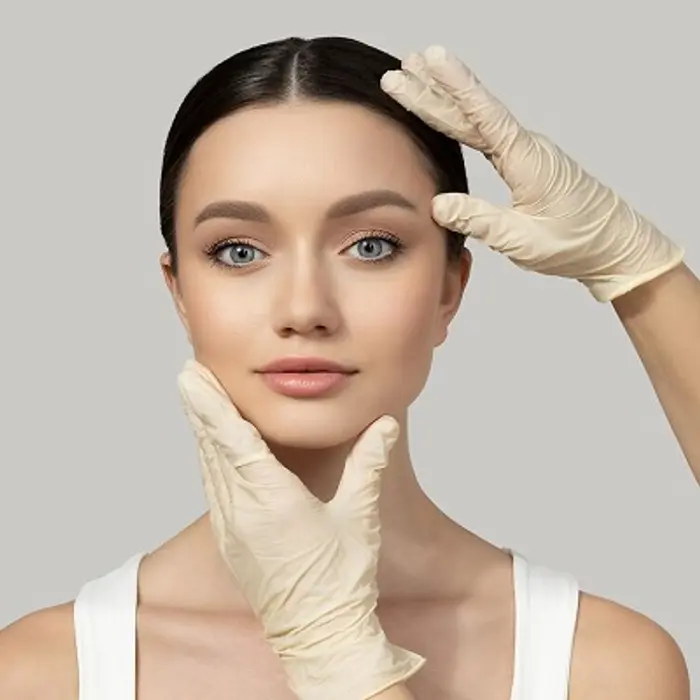
Consultation: A professional evaluates your skin concerns, facial structure, and medical history to determine if Botox is suitable for you.
Preparation: The target area is cleaned, and sometimes a numbing cream is applied for comfort.
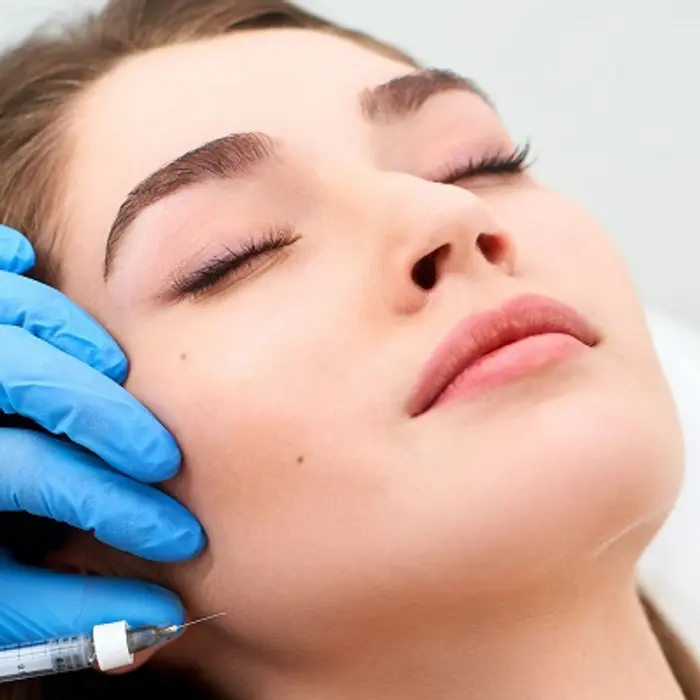
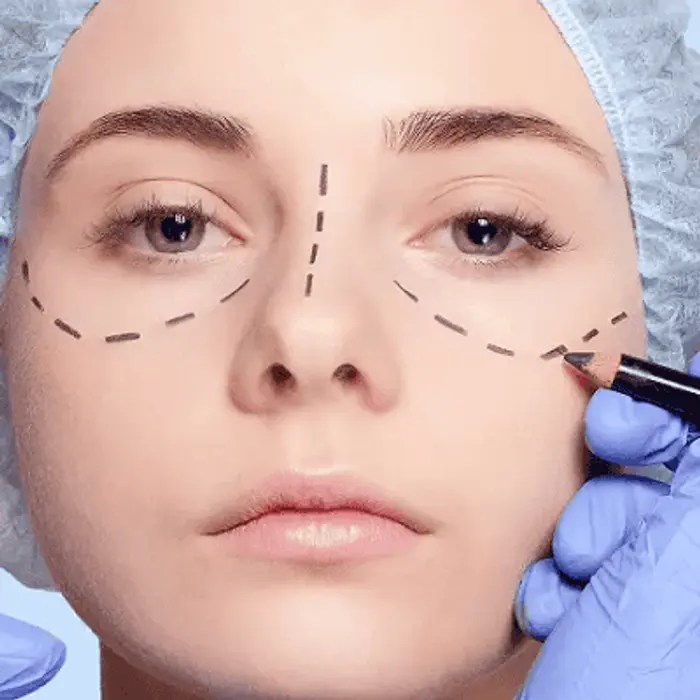
Injection: Using a fine needle, small doses of Botox are injected into specific muscles. Most sessions last 10 to 20 minutes.
Post-Treatment: There’s minimal downtime. Patients can resume daily activities immediately but are advised to avoid strenuous exercise or massaging the treated area for at least 24 hours.
Results begin to appear within 3 to 7 days, with full effects visible after two weeks.
Benefits of Botox Injections
Botox offers numerous advantages that make it a popular choice for those seeking subtle, non-invasive rejuvenation:
Quick procedure with no downtime
Natural-looking results without altering facial structure
Minimal discomfort during treatment
Temporary effects, allowing flexibility in treatment frequency
Boost in confidence through smoother, refreshed skin
When performed correctly, Botox enhances facial appearance while maintaining natural expressions—a balance that many patients appreciate.
Safety and Side Effects
Botox injections are considered safe when administered by trained professionals. However, like any medical procedure, there are potential side effects. Most are mild and temporary, including:
Slight redness or swelling at the injection site
Minor bruising
Headache or mild discomfort
Temporary drooping in rare cases if the injection spreads to nearby muscles
Severe complications are extremely rare, especially when the procedure is performed under proper medical supervision.
Aftercare Tips for the Best Results
To maintain the best outcome from Botox injections, following a few aftercare steps is important:
Avoid touching or massaging the injected areas for at least 24 hours.
Stay upright for several hours after treatment.
Skip strenuous activities and excessive heat exposure (like saunas) for one day.
Follow up with the practitioner for any necessary adjustments or maintenance treatments.
Adhering to these guidelines helps ensure that the Botox settles properly into the targeted muscles and delivers optimal, lasting results.
Frequently Asked Questions
1. How long do Botox results last?
Results usually last between three to six months, depending on factors such as metabolism, lifestyle, and treatment area. Regular maintenance sessions can help prolong the effects.
2. Is Botox painful?
Most people experience only minimal discomfort. The injections feel like tiny pinpricks, and numbing creams can be applied to enhance comfort.
3. When can results be seen?
Visible improvements typically appear within 3 to 7 days, with full results noticeable around two weeks after treatment.
4. Can Botox be combined with other treatments?
Yes. Botox can be safely combined with treatments like dermal fillers, laser therapy, or skin rejuvenation procedures for enhanced results.
5. What age is appropriate to start Botox?
There’s no fixed age. Many start Botox in their late 20s or 30s as a preventive measure, while others begin later to address existing wrinkles.
6. Are there any people who should avoid Botox?
Individuals who are pregnant, breastfeeding, or have certain neuromuscular conditions should avoid Botox unless advised otherwise by a healthcare professional.
Conclusion
Botox injections remain one of the most effective and trusted options for facial rejuvenation and medical therapy. Their ability to relax muscles and reduce wrinkles without surgery makes them a top choice for individuals seeking subtle, natural results.
Whether used for aesthetic enhancement or medical relief, Botox offers versatility, safety, and proven success when administered correctly. By understanding how it works, what to expect, and how to care for the skin afterward, anyone considering this treatment can make a confident, informed decision.
;)